
Arrest Warrants in Oconee County
An arrest warrant is not paperwork a deputy drafts. A judicial officer must find probable cause first, on a sworn complaint or affidavit before custody is authorized. In Oconee County, magistrates issue lower-court process. Municipal judges take qualifying matters inside city limits. A felony case may move up to General Sessions later, yet the original issuing court and the serving agency still matter. South Carolina also limits direct warrant requests from private citizens. Where a sworn statement supports probable cause, the court can issue a courtesy summons instead. Miss that court date, and the summons route can become an arrest warrant.
Oconee County Arrest Warrants Begin With a Judge
A warrant starts with sworn facts. An officer or agency presents them to a magistrate, municipal judge, or other judicial officer. That judge alone weighs probable cause. Neither the sheriff nor a police department makes that call itself. In Oconee County, the magistrate courts list preparation of arrest warrants among their duties. Seneca's municipal judge also reviews probable cause. None of this creates a public search portal, so the issuing clerk stays the status contact. Oconee Magistrate Courts spells out the Oconee County role, and the South Carolina warrant statute covers warrant and courtesy-summons rules.
What an Oconee County Arrest Warrant Contains
No Oconee County warrant form is posted for public view. State forms suggest the usual field types, though courts vary in what they release. No warrant-number format or bond schedule appears either.
| Case number | Court form: Case Number; no Oconee number pattern was found. |
|---|---|
| Charge | Offense and any listed classification or statute. |
| Probable-cause record | Sworn complaint or affidavit may support issuance; access may be limited. |
| Issuing court | Names the judge or magistrate whose order controls the case. |
| Bond / conditions | Set for the specific matter; no countywide public schedule. |
| Service return | Agency, jurisdiction, date, and officer return may be recorded. |
Oconee County Arrest Warrant Records May Be Limited
A public docket can show a case yet hide an unexecuted or sealed warrant. Juvenile details stay restricted. South Carolina FOIA also shields active-investigation material. No rule puts every local warrant online at once. Ask the issuing court for a public case or status record when an affidavit is unavailable. A missing document may reflect a legal limit or another system, so it never answers whether a warrant exists.
How Oconee County Arrest Warrants Are Served
Several hands serve warrants in Oconee County. OCSO's Warrant Unit and Judicial Services carry county process. City matters may involve municipal police and constables. When a municipal warrant subject turns up elsewhere in South Carolina, §22-5-190 lets the territorial magistrate endorse it for a constable or sheriff to execute. Booking follows service. A bailable defendant generally must appear before a Summary Court Judge within the relevant period under Rule 106. Remember that a service return does not dismiss the charge.
Oconee County Service Depends on the Warrant
Only the issuing court can recall or quash a warrant. The serving agency just reports execution or return. OCSO Judicial Services, a city police department, a magistrate constable, or another lawful agency may hold the service record for Oconee County. Detention staff can answer custody questions. They cannot make the judge's status decision. The OCSO annual report lists 1,578 warrants served by its Warrant Unit in 2023, a count that does not split by warrant type or measure outstanding inventory.
Arrest Warrant vs Summons vs Bench Warrant
South Carolina treats these as three different court actions. A courtesy summons calls a person to court, while an arrest warrant authorizes custody on probable cause. A bench warrant answers a missed court date. For local failure-to-appear forms and routes, see Oconee County bench warrants.
| Feature | Arrest Warrant | Summons | Bench Warrant |
|---|---|---|---|
| What it orders | Arrest on the stated charge | Appear at a stated time | Return before the court |
| Basis | Probable cause on sworn facts | Probable cause where summons is authorized | Missed date, bond violation, or court obligation |
| Issuer | Authorized judge or magistrate | Court process under state law | Judge handling the existing case |
| Next step | Contact counsel and issuing court | Attend as directed | Ask for a reset, recall, or appearance |
Oconee County Federal Warrants Use a Separate Court
Federal warrants live in a different courthouse. Oconee County falls under the Greenville division of the U.S. District Court for South Carolina. Sealed federal complaints and federal warrants are not kept by the Oconee County Clerk or the sheriff's public search. A PACER docket may omit sealed material. CourtListener and RECAP are not complete warrant registries either. For a federal case, go through the District Court or the U.S. Marshals, since a local booking page or state criminal-history search will not show every federal hold.
The federal probation and pretrial office identifies the Greenville division route. See the federal office serving Oconee. 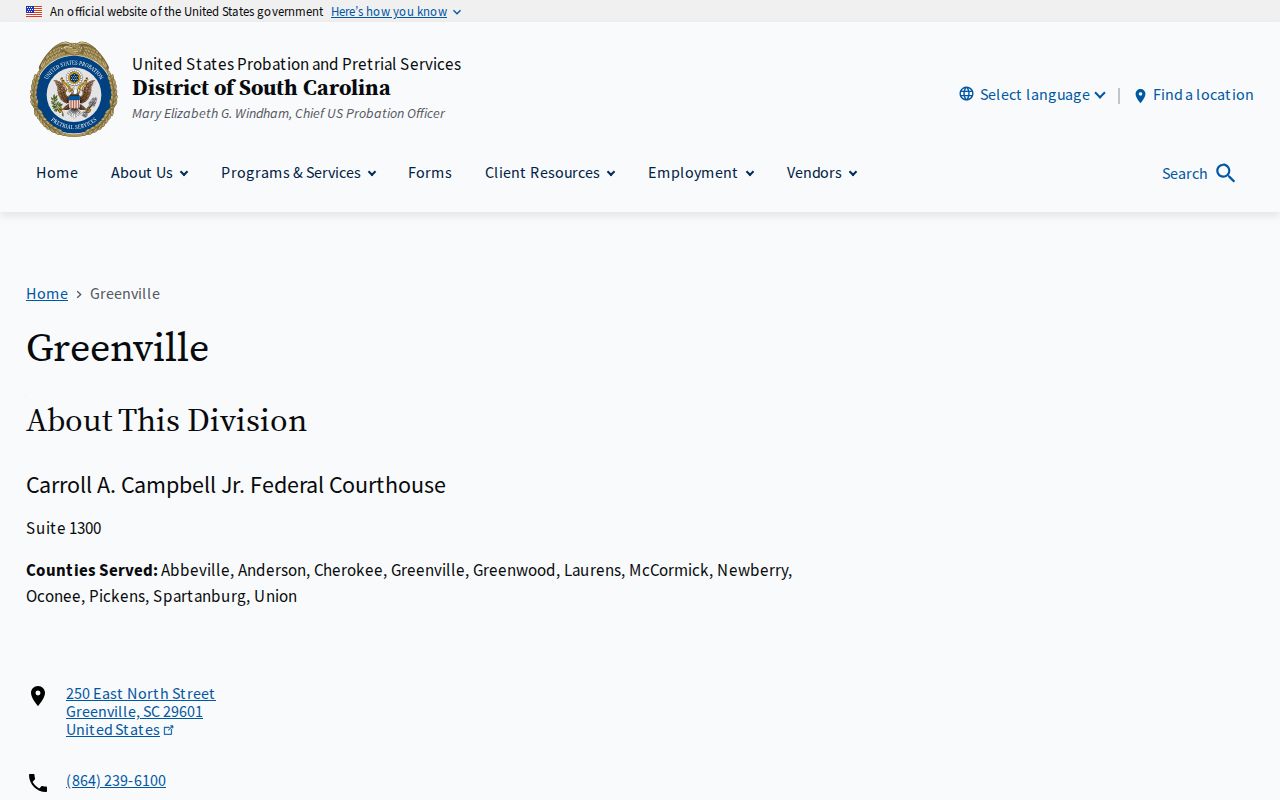 Federal process is separate from local court records.
The federal court’s courthouse page gives local facility information. Review the Greenville federal courthouse page. 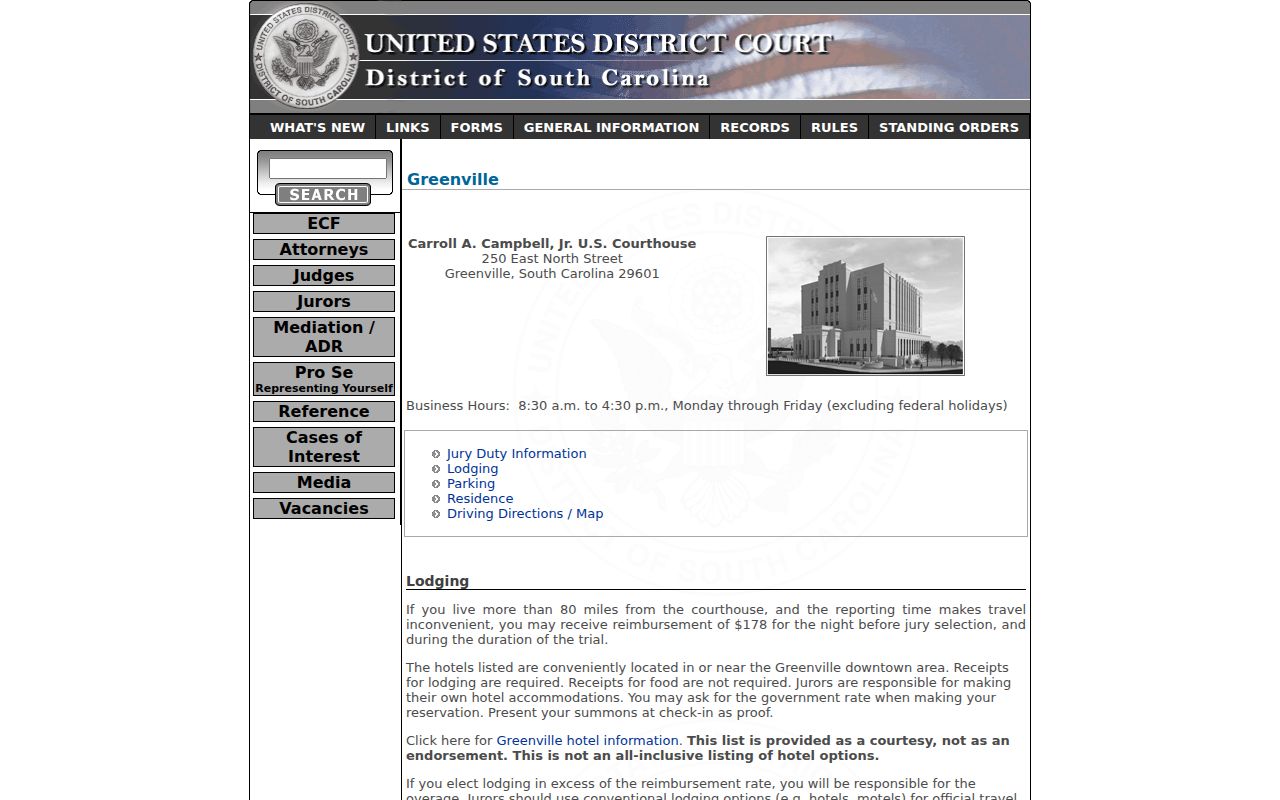 Check the court’s own current directions before a visit.
For an unsealed federal docket, use the District of South Carolina court choice in PACER. Open the federal PACER court selector. 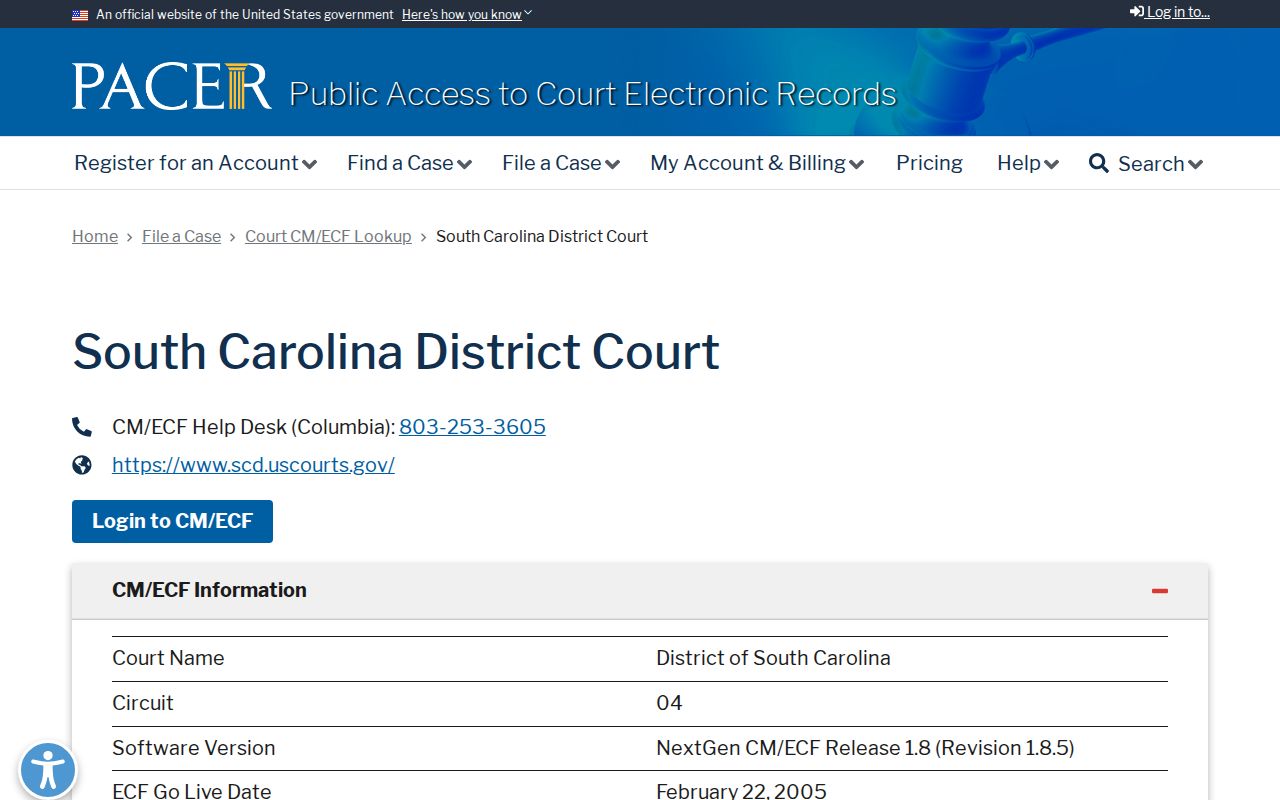 Sealed matters will not appear in a public docket search.
What to Do If There Is a Warrant for You
Call the court or counsel first. Ask whether the Oconee County warrant is active, where an approved surrender occurs, what bond or hold applies, and whether another hearing is due. The county publishes no walk-in warrant window, bond schedule, or universal payment method. Keep your case number handy.
Important: Use the issuing court’s published number and speak with a South Carolina attorney before arranging a surrender or relying on a third-party promise.
Oconee County Arrest Warrant Bond Is Case-Specific
OCSO press releases sometimes mention surety or personal-recognizance bonds in individual Oconee County cases. Those stories are not a schedule. The court sets the release terms, and a bond settles custody rather than the outcome of the case. Ask which agency controls any separate hold. Keep the receipt and the next court date. Ask the clerk whether the warrant was recalled, quashed, served, or returned, then check that the service agency's record matches.